
Blog
Should You Drink Mushroom Tea Or Eat Mushrooms?
Mushroom tea is the latest health trend that may help boost energy and cognitive functioning, taking Los Angeles by storm. Registered dietitians suggest speaking to your physician before trying any new supplements or teas.
Medicinal mushrooms like chaga, lion’s mane and turkey tail contain powerful antioxidants and polysaccharides that promote digestion by balancing microbiota and decreasing proinflammatory cytokines, supporting immunity and contributing to overall wellbeing.
Chaga
Chaga (Inonotus obliquus) is a parasitic, non-toxic fungus found on birch trees in cold climates. It produces irregularly formed, sterile conks with blackened surfaces due to an abundance of melanin. For centuries now, many Northern cultures have venerated Chaga and hold it in high regard.
Chaga can be made into tea, which has a number of health benefits. These include strengthening immunity, protecting against stress and increasing longevity; cancer fighting properties as well as inflammation reduction properties; antioxidant properties that may prevent diabetes; and being available in powder form, capsule form or even tinctures for easier access.
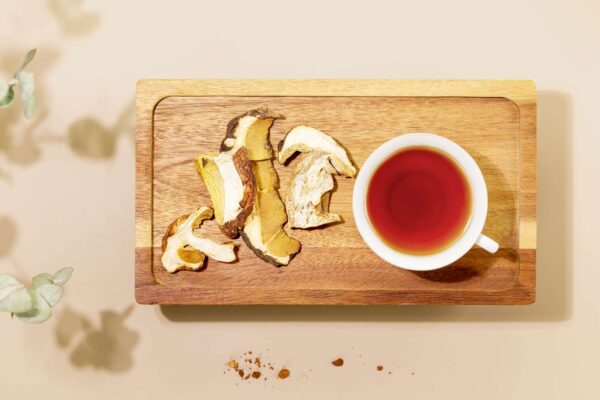
Chaga can best be utilized when prepared as tea. Brewing should take place overnight in a crock pot using between one to three chunks per liter of water and left for full infusion to become dark brown in color.
Many people enjoy drinking tea made with an assortment of herbs and spices, such as Assam, cinnamon, ginger, nutmeg cardamom, and chaga. This warming and flavorful beverage makes for the ideal winter companion; enjoy it on its own or mix in some cream and sugar to enhance its earthy aroma.
For those who would prefer a concentrated form of chaga, creating a tincture may be the answer. Simply combine chunks with vodka or another alcohol-based liquid before leaving it for several weeks to ferment before taking.
Chaga, an herb native to Russia and Asia, boasts both preventive and curative properties, making it one of the most powerful anti-aging herbs available. Studies have demonstrated its ability to support cellular metabolism while acting as one of the strongest anti-aging remedies available today. Rich in antioxidants such as melanin and beta-D-glucans which provide protection from oxidative damage within the body, Chaga also contains vitamins B vitamins as well as magnesium potassium zinc calcium iron content for optimal nutrition.
Lion’s Mane
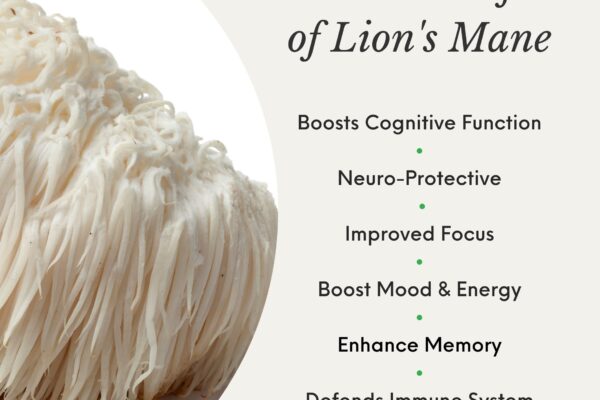
Lion’s mane mushrooms have gained their name due to the clusters of white spines resembling the mane of a lion that give rise to their common name. Belonging to Hericium species Hericium erinaceus, they can be found growing on tree trunks of various sizes and species including oak, maple and beech trees; similarly bear’s tooth fungus and coral tooth fungus thrive as well. Lion’s mane fungi have long been used in traditional Chinese medicine over centuries!
Lion’s Mane is an effective anti-inflammatory supplement, helping reduce the severity of chronic inflammatory diseases like heart disease and diabetes. Furthermore, its bioactive compounds exhibit promising antimicrobial properties against Helicobacter Pylori bacterium which causes stomach ulcers – another powerful anti-inflammatory.
Studies have shown lion’s mane can help support and maintain nerve growth and improve cognitive performance, possibly through hericenones and erinacines – two molecules thought to stimulate nerve growth factor. Studies also suggest its immune-enhancing benefits could lie in its ability to reduce amyloid plaque buildup in the brain, potentially slowing Alzheimer’s progression.
While research is promising, more clinical trials must take place to provide definitive answers. Since supplements aren’t regulated as strictly by the FDA as prescription drugs are, it would be wise to discuss your proposed supplementation program with either your registered dietitian nutritionist (RD/RDN) or healthcare provider prior to making any alterations or making any adjustments yourself.
Lion’s mane is an excellent way to boost immune function while also providing essential b-vitamin and polyphenol antioxidant benefits, making it an essential staple in vegan and vegetarian diets. Plus, its protein content makes it perfect for vegans or vegetarians!
Lion’s mane is an ideal ingredient to add texture to soups and stews, and can often serve as an excellent replacement for shellfish such as scallops, shrimp and lobster in dishes like Crab Louie. With its mildly sweet flavor and tender texture, lion’s mane’s mild sweetness complements other seafood without requiring additional heavy sauces or butters. You’re likely to find fresh lion’s mane at farmers markets or gourmet vendors; dried and rehydrated varieties may also be purchased easily for use in recipes.
Reishi
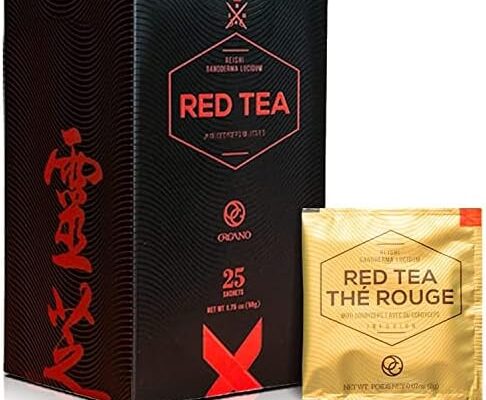
Reishi (Ganoderma lucidum) is a large red-colored mushroom used for more than four millennia to treat fatigue, asthma, coughs, liver issues and promote longevity – also known as spiritual potency or the “herb of spiritual potency.” Found throughout Asia, Europe and North America’s temperate forests it contains over 400 bioactive compounds including polysaccharides and triterpenoids which may contribute to its health-supportive properties.
Reishi mushrooms contain beta-glucans that boost immune system functioning by increasing white blood cell activity, thus helping destroy tumors, fight infections and protect against chronic diseases. Furthermore, Reishi may stimulate natural killer cells which kill cancerous cells directly.
Studies have demonstrated the efficacy of Reishi in relieving stress, promoting better sleep quality, and creating emotional equilibrium. Reishi may even help ease some symptoms associated with Fibromyalgia such as chronic fatigue and mood swings.
Reishi contains anti-inflammatory and antioxidant properties that may help regulate nitric oxide levels in the body – potentially supporting cardiovascular health and helping slow down aging processes. It has also been reported as having anti-ageing benefits.
Clinical trials examining Reishi have been limited, with dosage ranging from 6-12 grams of dry or extract per day; individuals may require higher or lower dosage depending on their personal needs.
Reishi may interact with medications used to lower blood pressure or increase bleeding and clotting, such as Warfarin (Coumadin), aspirin, naproxen (such as Aleve), ibuprofen, clopidogrel (Plavix), pentoxifylline (Trental), and ticlopidine (Ticlid). Therefore, those taking such medicines should consult their doctor prior to taking reishi. Reishi may also interfere with some lab tests designed to lower blood sugar and cholesterol levels; those taking these should monitor closely while taking it in case it may affect their treatment plans. People with history of liver disease should consult their physician prior to using it.
Shiitake
Shiitake mushrooms (Lentinula edodes) have long been an indispensable component of Asian cuisine, offering impressive nutrition and health-promoting properties. Packed with antioxidants, amino acids, polyphenols and phytochemicals that support immune health while simultaneously decreasing inflammation levels and aiding cardiovascular wellness, shiitake mushrooms are a nourishing staple that should not be overlooked!
Shiitake mushrooms are easy to prepare and pair perfectly with various flavors, from stir fries and sautes to soups, stews and pasta sauces. Thin slices work especially well when added directly into stir-fries while whole or half shiitakes add depth to soups, stews and pasta sauces. Dried shiitakes also add richness to broths while their soaking liquid can add dimension in vegetable stocks or soups.
Mushrooms are packed with protein, fiber, potassium and essential minerals like copper, selenium, vitamin D, B6 zinc and magnesium – not to mention low in fat with no cholesterol content and providing an excellent source of iron! Furthermore, mushrooms provide natural beta-glucans which have been found to aid cancer and other diseases prevention.
These earthy mushrooms are widely utilized in Asian cuisines, where they’re frequently used as an aromatic meat substitute in soups and stews. When added alongside greens such as Swiss chard and spinach they make for an especially flavorful soup like David Chang’s Shiitake and Bok Choy Soup with Hand-Cut Noodles; or serve up in Japanese sukiyaki: an all-in-one beef tofu dish featuring shiitake, bok choy, scallions and steamed rice!
Shiitake mushrooms belong to the Lentinula genus and are parasitic fungi, feeding off dead wood of oak trees and broad-leaved trees in Fagales order. Shiitakes can be grown on logs or sawdust blocks in dark rooms year-round for harvest.
To prepare shiitake mushrooms for cooking, gently wipe them down with a paper towel before removing their stems, which are difficult to consume but great for making homemade stock. Soak dried shiitakes in hot water until tender or simmer them in broth to add extra umami flavor. After they’ve soaked for enough time, squeeze out excess liquid through squeezers then strain soaking liquid as vegetable stocks or make quick mushroom stock from its stems!