
Blog
Is There Healthy Organic Coffee?
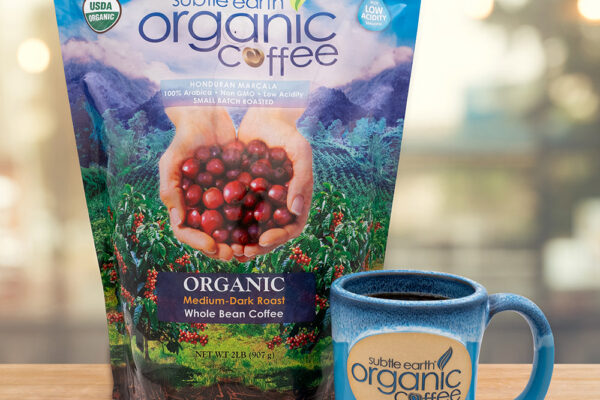
Many may not view coffee as a healthful beverage, yet its healthful properties go far beyond just flavor. Coffee beans contain antioxidants, magnesium, potassium, niacin, B vitamins and minerals – not to mention that organically grown coffee helps both your body and environment – organic farming techniques remove harmful chemicals used by conventional farming techniques for improved soil nutrients that in turn makes for healthier plants overall.
Farmers seeking USDA organic certification must abide by stringent standards when cultivating and manufacturing coffee, meaning the beans produced under this label will be free from artificial fertilizers, pesticides and GMOs – plus they won’t use contaminants like sewage sludge, radiation or other common practices found in conventional farming.
Organic certification processes can be complex and time consuming, with paperwork and inspections that add extra expenses but ensure quality products. Organic farming practices aim to promote environmental harmony, biodiversity preservation and sustainable agriculture while conventional farms destroy this by clearing forests, cutting back native plants, clearing wildlife habitat and using synthetic chemicals that ruin waterways – which not only affect marine life’s health but all who consume their water as well.
Conventional coffee farms also produce large amounts of greenhouse gases such as nitrous oxide and carbon dioxide that contribute to climate change. By growing organic coffee, however, no such chemicals are used, significantly decreasing carbon emissions.
Organic coffee can also be easier on our digestive systems than its conventionally produced counterparts, thanks to the absence of industrial chemicals that may enter our systems via industrial processes. Furthermore, shade-grown varieties often mimic nature by growing under trees that provide shade that regulates temperature and nutrients to support plant life growth.
While these benefits of organic coffee are considerable, it should also be mentioned that not all organically sourced varieties are created equal. When choosing your brand, make sure it is both certified organic and fair trade – this ensures farmers receive fair compensation while working in safe working conditions.
Organic coffee is an excellent way to protect the planet, your stomach and the farmers who work so hard to provide your morning beverage. The key to finding successful organically grown coffee products lies in selecting those of highest-quality which have been ethically produced before being carefully processed and roasted – something organic coffee doesn’t typically provide.
Kimball suggests switching up your coffee routine by pairing moderate caffeine levels with ingredients like L-theanine, lion’s mane and chaga for an elevated focus experience. Our functional coffee blends offer more comfortable experiences for those sensitive to traditional coffee while they have been proven to increase attention, reaction time and accuracy in controlled studies. Want to find out more? Reach out to our team!