
Blog
Is Mushroom Coffee Good For You?
Are your social media feeds filled with pictures of coffee with an earthy and nutty flavor, mushroom powders and extract tonics and gummies promising to heal whatever ails you–or mushroom coffee as a fad? Mushrooms have long been prized for their anti-aging and digestive benefits, yet mushroom coffee may now be on trend due to this. However, is this trendy drink (usually consisting of ground coffee beans blended together with mushroom extracts) good for you?
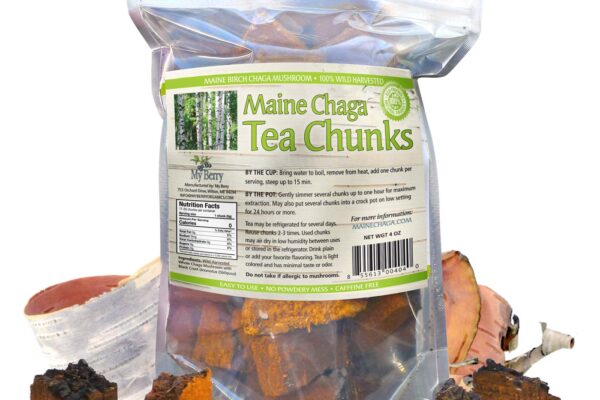
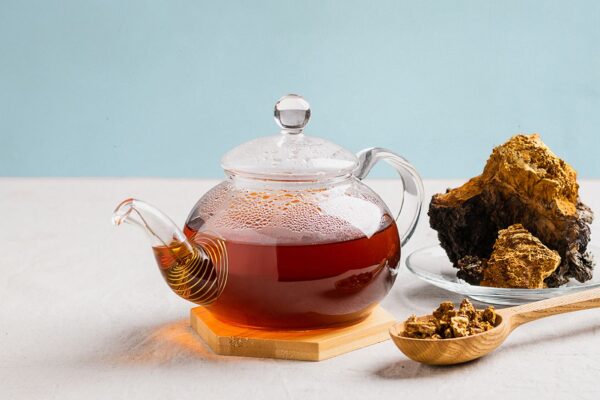
As opposed to culinary mushrooms, those used in this drink are medicinal and go through a special drying and extraction process to concentrate their bioactive compounds. Common varieties include chaga, lion’s mane cordyceps and turkey tail. They’re often chosen due to purported health benefits rather than taste; coffee often has some ground coffee added for an authentic experience.
Most mushroom coffee brands make bold claims, such as improving immune health or increasing focus. Unfortunately, the research on mushrooms remains extremely limited, as most studies were conducted on animals or test tubes and human studies are necessary to support such health claims. Furthermore, certain medicinal mushrooms may interact with certain prescription medications so it’s wise to consult your physician prior to drinking mushroom coffee if you suffer from allergies or have other health conditions.
But, if you don’t take any medication or have any known health conditions, this brew could be an ideal way to boost your daily nutrition intake. Mushrooms contain protein, fiber, vitamin D, B vitamins and potassium; plus zinc which has been known to fight colds and improve immune systems; plus many varieties contain antioxidants that protect against inflammation while also supporting gut health.
Mushroom coffee contains about half the caffeine found in regular coffee and more than that found in decaffeinated versions, making it an attractive choice for people looking to reduce caffeine without completely overhauling their morning ritual.
Though many report that mushroom coffee tastes similarly to traditional coffee, depending on its preparation and type of mushrooms used it may take on more earthy or nutty undertones. Certain brands use special roasting processes for their coffee to give it its unique character while some people pair it well with creamy ingredients like oat milk or cinnamon for an enjoyable experience.
Mushrooms have long been used as an aid to wellness, with adaptogens in these mushrooms known to ease anxiety and stress levels. While more research needs to be conducted before conclusive results emerge from mushroom coffee trials, if you are curious give it a try start with one cup or two and see how your body responds and always consult your physician first if taking medications such as blood pressure medications or diabetes medications.