
Blog
How to Make Mushroom Tea
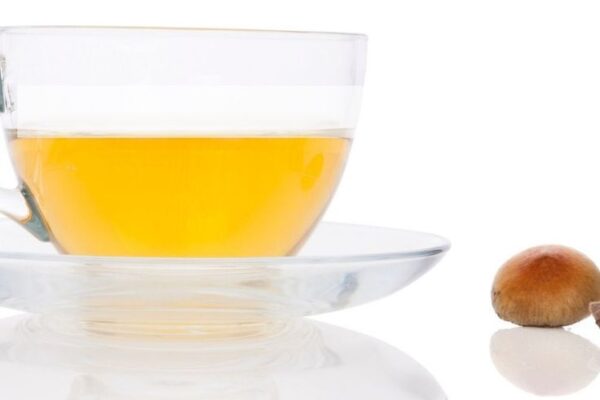
Mushroom tea has recently gained widespread acclaim as an effective means of improving one’s health in the Western world. A popular alternative to caffeine, mushroom tea can support immune health, relieve stress, boost libido, digestion and energy levels all at the same time! But how is it made? Mushroom tea is created through infusing mushrooms into hot water for infusion containing polysaccharides, phenolic compounds beta glucans and triterpenes known for their immune-enhancing, anticancer activities as well as neuroprotective benefits – creating an infusion which offers multiple health-promoting properties at once!
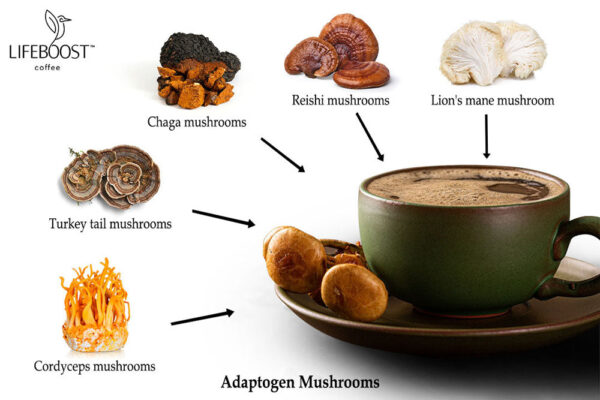
Mushroom tea has many healing and therapeutic qualities, while being deliciously relaxing to drink. Easy to make using various varieties of mushrooms such as lion’s mane, chaga, reishi and cordyceps; recipes can easily be tailored to personal taste and needs; for instance some may prefer the earthy flavor of chaga tea while others like its bright and upliftining taste of lion’s mane tea; honey or maple syrup can sweeten for additional depth of flavor while adding citrus zest can add Vitamin C which can help reduce oxidative stress in the body and help prevent further degenerative damage in their bodies.
Make mushroom tea the easy and convenient way with boiling dried mushrooms in hot water or using an extract such as tincture – an alcoholic extract of mushrooms designed to help you more readily absorb their bioactive compounds and ease absorption of their bioactive constituents. Certain tinctures even employ dual extraction techniques – first double soak with alcohol then hot-water extraction – for an in-depth profile of all the mushroom’s properties.
As well as creating tinctures, mushroom tea can also be made by steeping dried mushrooms in hot water for an extended period. This method releases more flavors and nutrients than quick steeps – perfect for mushroom varieties like Chaga, Reishi and Lion’s Mane which contain woody flavors which require prolonged simmering to release their beneficial components.
Mushroom tea serves as an intermediary between culinary (flavor, warmth and ritual of sipping) and medicinal (extracting compounds with physiological activity) worlds. The key to crafting delicious mushroom tea lies in finding the optimal balance of ingredients that complement each variety’s distinct flavor and function – for instance reishi requires long simmering to release its triterpenes with adaptogenic properties; other varieties, like lion’s mane for instance can release beneficial compounds through short hot-water infusion.