
Blog
How to Make Mushroom Tea
Mushroom tea has quickly become one of the latest health trends, both fashionable and therapeutic. Mushroom tea infuses hot water with nutrients from various mushroom species as well as their bioactive compounds for maximum effect.
Teas made of mushrooms such as chaga, reishi and turkey tail are known to improve immunity, reduce stress levels and enhance focus.
Discover how to create your own healthy and healing cup of mushroom tea.
Dried Mushrooms
Mushrooms have long been recognized for their therapeutic abilities to reduce stress, increase focus and build immunity. Brewing them into tea makes their bioactive compounds more accessible, especially those with tough cell walls that may be hard to digest. Furthermore, this process cuts waste both during ingredient acquisition as well as preparation steps and best of all can be enjoyed right in your own home without needing to brave a cold, dark forest!
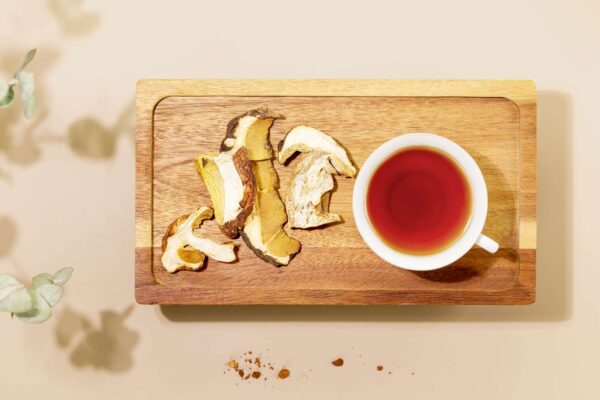
Drinking functional mushrooms in hot water is one of the easiest and most straightforward ways to utilize their healthful benefits, while mushroom tea is one of the simplest and easiest forms. When making mushroom tea, whole or powdered dried mushrooms can be used, while adding herbs or supplements such as honey adds sweetness, lemon juice brings out flavors or even rooibos gives an overall smoother base to this beverage.
Strength of mushroom tea brew depends on how much mushroom is used and for how long. A general starting point should be 1-2 teaspoons per serving of pieces or powder. If this is something new for you, begin slowly by starting off small before gradually increasing doses until your body adapts to it.
Before trying a particular species of mushroom, it’s a good idea to do your research on its properties and health benefits. For instance, chaga mushrooms contain high concentrations of superoxide dismutase, an antioxidant which supports liver detoxification processes while activating immune systems – so those suffering from conditions like Lupus or Rheumatoid Arthritis should use caution with it.
Add mushrooms to recipes as a replacement for meat or vegetable stock to cut back on sodium consumption, like this mushroom-studded penne boscaiola and day-after-Thanksgiving collard greens, while still getting all of their benefits.
Water
Brewing mushrooms extracts their medicinal and nutritional compounds and infuses them into boiling water, yielding an earthy, sweet, yet subtly savory beverage that’s ideal for any occasion. Mushroom tea can be enjoyed on its own or enhanced by herbs, spices and milk of your choosing for enhanced flavor, texture and health benefits.
Mushroom tea is an easy and delicious way to take functional mushrooms such as chaga, reishi, turkey tail, lion’s mane cordyceps and more. When prepared as tea, the bioactive components found within these mushrooms can more readily be absorbed by your body – helping promote cellular wellness while simultaneously decreasing stress, increasing focus and strengthening immunity.
To prepare mushroom tea, combine dried mushrooms with hot water in a cup or pot and allow it to steep for several minutes before drinking. Lemon juice or honey may provide additional sweetness; cinnamon or ginger powder could further enhance flavor while improving digestion.
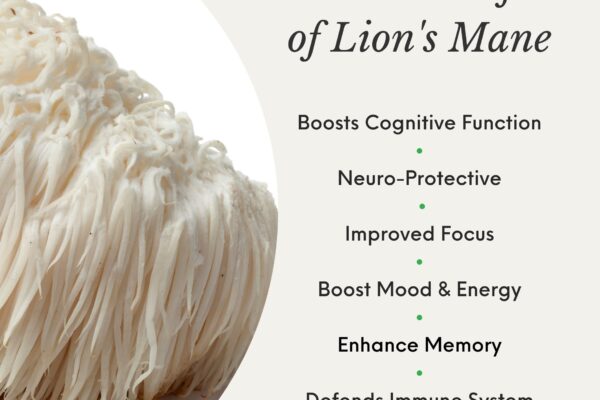
Many people find the taste of mushroom tea to be soothing on its own or as part of a daily ritual, with many preferring multiple types of mushrooms in one beverage, depending on their mood or desired effects – for instance reishi and cordyceps are often combined into one drink in order to balance energy and calmness, while lion’s mane may help boost memory recall and focus. There are an infinite number of combinations possible when creating your own tea blends!
Steeping Time
Steeping time for mushroom tea can increase both its potency and flavor, but too long of a steeping time may degrade beneficial compounds within the mushrooms and cause harm. Therefore, small amounts of dried mushrooms should be used and shorter steeping times.
Attentiveness to water temperature is also of great significance, for optimal results it’s best to prepare mushroom tea at a gentle simmer or below boiling point to protect the delicate compounds contained within mushrooms as well as prevent an unpleasant bitter flavor in the tea from emerging.
Powdered mushroom extracts may be easier to use for mushroom tea due to their increased surface area which exposes more beneficial compounds to hot water.
When brewing mushroom tea, it is advisable to experiment with various recipes and ingredients until you find a formula tailored to your individual needs and preferences. From soothing reishi tea before bed to antioxidant-rich chaga tea for increased immunity or focus-enhancing lion’s mane tea for starting off your day – the options are limitless!
Flavor
With some creativity, mushroom tea can become even more enjoyable and fulfilling. A spoonful of honey adds sweetness, while lemon squeeze adds zesty tartness, while fresh ginger (grated or powder form) provides warmth and spice. For an indulgent creamy experience try adding coconut or almond milk instead – these herbs and spices provide flavor without extra calories or added sugars!
If you’re new to mushroom tea, experiment with various varieties and brewing times until you find the one that best meets your taste and desired effects. Some popular choices are chaga, cordyceps, lion’s mane and reishi; alternatively you could create your own custom blend according to time of day, desired effect or season.
Not everyone prefers one specific kind of mushroom tea; many others enjoy sipping blends that provide synergistic benefits on both body and mind. Some enjoy drinking reishi and lion’s mane tea to promote happiness while boosting energy and focus, while others drink one that includes both reishi and cordyceps to increase energy while simultaneously managing stress and blood pressure levels.
Mushroom tea is an easy, delicious, and nutritious beverage that can be enjoyed daily as part of a healthy lifestyle. To maximize its benefits, drinking mushroom tea as often as possible is recommended; if unsure which mushroom tea type best fits you or its potential health benefits consult with a medical provider for guidance.