
Blog
Chaga Mushroom Tea – How to Make Chaga Mushroom Tea
Chaga fungus is an interesting and exotic-looking organism, typically growing like a mole in birch trees’ trunks and providing health benefits that far outweigh its costs.
Chaga tea can help improve immunity and promote energy levels. It is easy to prepare and can be enjoyed plain or enhanced with honey or other ingredients for an additional treat.
1. Grind the Mushrooms
Chaga mushrooms are an unusual and bizarre-looking mushroom believed to offer numerous health advantages. Chaga is thought to contain various vitamins, minerals, antioxidants and phytonutrients that could potentially aid with treating conditions like tuberculosis, poor circulation or even cancer. While more research needs to be done into treating certain conditions with this fungus’ anti-inflammatory properties and high levels of sterols. A popular way to enjoy its benefits is through Chaga mushroom tea!
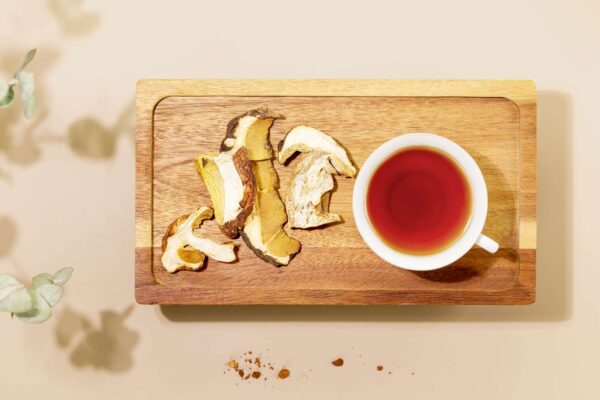
In order to make chaga tea at home, first you need to prepare the mushrooms. This can be accomplished by drying and grinding the dried fungi using either a spice grinder or mortar and pestle; pre-ground chaga may also be available from specialty food markets.
Ideally, when harvesting your own chaga it is best done during winter when there are no leaves on trees to obscure it and you can clearly see its presence. Furthermore, experts believe this time of year contains higher concentrations of nutrients and enzymes in its form of chaga.
Once harvested, chaga should be rinsed and dried in a dark cool location before being chopped into different sizes for various methods of brewing. Chunks (approx. one inch in size) are best suited to large batch brews which take several hours in a slow cooker or stovetop to steep overnight before grinding finely for use in tea bags, tea balls, french press or Bodum style tea makers; finely ground chaga can also be added directly into soups, stews or smoothies for single serving cups or adding directly into soups, stews or smoothies for easy addition.
Chaga can also be added to coffee in place of black tea, and mixed with milk to produce creamy chai tea. When brewing chaga for medicinal use, however, be mindful that long brewing times are necessary in order to unlock its full benefits – it has an extremely durable exterior which protects nutrients inside, necessitating longer steep times than with other herbal teas.
2. Steep the Mushrooms
For optimal chaga results, soak for extended periods. Simply combine chunks with water in an equal ratio (1 ounce chaga to 5 ounces water) in a large pot or slow cooker and bring to boil before gradually decreasing heat to maintain a simmer for as long as you can wait; more medicinal properties will be extracted over time.
As part of this process, it’s essential to check on your chaga regularly; if it begins to dry out or shrink back down too much, add a little water and continue simmering. After it’s time for steeping, remove from pot and allow to cool before using hammer or knife to break it into smaller pieces that are easier to dissolve in tea, or burn as incense. You could also grind it up through a coffee grinder into mushroom powder that can then be added directly into hot beverages such as teas or drinks.
Chaga is a parasitic fungus found on birch trees that grows up to 11 pounds. Due to its rich nutrient contents and unique structure, many health-conscious people regard chaga as an adaptogen. With antioxidant properties to combat free radical damage and oxidative stress linked to many diseases as well as general feelings of malaise and fatigue, many health enthusiasts regard chaga as an invaluable way of fighting stress and fatigue.
Chaga can be found growing wild on birch trees; however, for commercial purposes it’s typically harvested from healthy forests and then dried before use. Dried chaga can be purchased at health food stores, specialty shops and online retailers – you can even forage it yourself, just be sure that harvesting in clean environments.
3. Add the Other Ingredients
Chaga has long been revered as a wellness supplement in Russian and Siberian folk medicine. This nutrient-rich fungus is said to strengthen immunity, fight inflammation and oxidative stress, promote overall wellness, improve memory, mood and focus while increasing energy levels. Chaga tea can be enjoyed daily for maximum effect!
Chaga mushrooms can either be foraged on their own or purchased as powder. When foraging your own, winter is the ideal season when finding and harvesting true chaga is easiest. Other black fungus that grows on trees such as spruce and pine should not be confused with it (and should be avoided). Once you find a wild cankor of chaga mushrooms, use an axe or hatchet to carefully cut off what larger than fist-size cankors appear – otherwise the growth continues and eventually kills the host tree!
Once you have your chaga in hand, the next step should be preparing the tea. Grab a heavy-duty pot or crockpot and fill it with water – not boiling as this would destroy its antioxidants; aim for 140-1 60 F instead.
Once the water is ready, add in the chunks of chaga. We suggest starting out by starting with one to three large chunks or three to six smaller ones per liter of water and let it steep for several hours or overnight for maximum flavor! As it steeps, its strength will only become greater and stronger over time.
As your chaga steeps, feel free to customize its flavor by adding in other ingredients for optimal results. Combine chaga with cinnamon for an excellent way to soothe sore throats; or try mixing in turmeric for a lively tea that aids digestion and promotes skin health. Since chaga has a fairly mild flavor profile, feel free to experiment with different flavor combinations; perhaps trying mixing in ginger and rooibos for something truly adventurous?
4. Serve
Chaga is a potent antioxidant-rich food, offering protection from oxidative stress and disease, while also strengthening immune response. Beta glucans found in chaga encourage the production of white blood cells that fight infections and kill cancerous cells, increasing your chances of success against infections or cancerous growths. Furthermore, Chaga may reduce cholesterol and blood pressure, reduce inflammation, and help the liver function more efficiently.
Chaga can be purchased in health food stores, specialty mushroom shops or online retailers. Additionally, wild foraging should only be undertaken if sources have been properly identified and harvested.
For making chaga tea, start by placing several large chunks of the fungus in a crockpot or pot with water, simmering at low temperature for at least one hour (the longer it simmers, the more medicinal properties will be extracted from it). Strain out when cool and enjoy either hot or cold; optionally sweeten to taste with honey, maple syrup or other options like honeybush!
Tea is an aromatic beverage prepared using boiling water and consumed around the world, most frequently as an aromatic remedy to fight colds and flu symptoms, promote cardiovascular health, boost energy levels and strengthen energy reserves. Tea has many uses but its primary role is as an anticancer agent due to its abundance of polyphenols and flavonoids present.
Although more scientific proof is still needed to support the effectiveness of chaga as an anticancer remedy, Petri dish experiments have shown it can kill cancerous cells effectively. Chaga also contains essential vitamins and minerals including calcium, iron, zinc, phosphorus, potassium sulfur copper as well as its signature earthy flavor containing vanillin which is found in vanilla beans – you can enjoy it plain or with other herbs or spices!